Autumn and Perimenopause: Understanding the Link

Autumn can feel like a switch has been flicked. The air cools, mornings get darker, routines tighten, and the body has to adjust. For many people in perimenopause, that seasonal shift can make symptoms feel louder, less predictable, or harder to manage.
Perimenopause is the transition leading up to menopause, when hormone levels begin to fluctuate. Oestrogen and progesterone can rise and fall unevenly, which may affect periods, sleep, temperature control, mood, joints, skin, and concentration. Autumn does not cause perimenopause, but it can add pressure to systems that are already working harder than usual.
This article is for general information only. It is not medical advice. If symptoms are severe, sudden, or affecting daily life, a GP, menopause specialist, or qualified health professional can help.
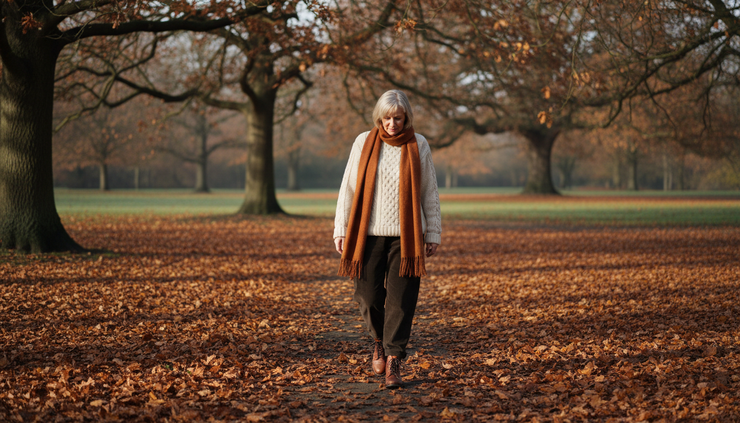
Why autumn can make perimenopause feel different
Perimenopause is often described through hormone changes, but the body does not experience hormones in isolation. It also responds to light, temperature, stress, movement, food, sleep, and emotional load. Autumn shifts many of those at once.
The days shorten. Many people get less daylight before and after work or caring responsibilities. The weather can make outdoor movement less appealing. Heating goes on, indoor air gets drier, and clothing layers increase. Social calendars may change too, with school terms, work demands, and family routines picking up after summer.
For a body already dealing with fluctuating hormones, all of this can affect:
Sleep
Darker mornings and earlier evenings can alter the sleep-wake cycle.
Body temperature
Moving between cold air, warm rooms, layers, and central heating can aggravate hot flushes or night sweats.
Mood
Less daylight may affect energy and emotional steadiness, especially for people prone to low mood in winter.
Joint and muscle comfort
Cooler weather can make stiffness feel more noticeable.
Motivation
Fatigue, low light, and busy routines can make exercise, meal planning, and rest harder to protect.
The link is not mysterious. Autumn changes the environment around the body. Perimenopause changes the body’s internal signalling. When both happen together, symptoms can feel more intense.
Light, sleep, and the body clock
One of the clearest seasonal changes is light. Autumn brings shorter days across the UK, and by late October the clocks go back. That shift can disrupt the body clock, particularly when sleep is already fragile.
During perimenopause, sleep can be affected by night sweats, anxiety, bladder changes, restless thoughts, or waking in the early hours. Less morning light may make it harder for the brain to anchor its daily rhythm. More artificial light in the evening can add to the problem, especially from bright screens close to bedtime.
A few small habits can help support the sleep-wake cycle.
Get outdoor light early when possible
Morning light helps signal daytime to the brain. It does not need to be sunny. Even a cloudy UK morning gives more natural light than most indoor rooms.
A short walk, standing by the back door with a cup of tea, or getting off the bus one stop earlier can help. The aim is not perfection. It is a regular cue that tells the body when the day has started.
Some people may even sleep with their curtains ajar, so the natural light is what wakes them rather than the harsh sound of their alarm clock.
Keep evenings cooler and calmer
Hot flushes and night sweats can become more disruptive when bedrooms are overheated. Autumn can be tricky because the house may feel chilly at bedtime, then too warm overnight once heating has been on.
Practical changes often work better than dramatic ones:
Use layers on the bed rather than one heavy duvet.
Choose breathable cotton or bamboo nightwear.
Keep water close by.
Try to avoid very hot baths, spicy food, or alcohol close to bedtime if they trigger symptoms.
Lower the bedroom temperature if safe and comfortable.
Protect the first hour after waking
Autumn mornings can start in darkness, which makes it tempting to rush straight into stress. A gentler first hour can make the whole day feel steadier.
That might mean opening curtains as soon as there is light, stretching for five minutes, taking medication or supplements consistently if prescribed, or eating breakfast before caffeine. These are small anchors. In perimenopause, anchors matter.

Temperature swings can feel sharper in autumn
Many people think hot flushes are only about feeling too hot. In real life, they often feel more complicated. Autumn can mean being cold one minute, bundled up the next, then suddenly overheated in a shop, bus, train, or kitchen.
Perimenopause can affect thermoregulation, which is the body’s ability to manage temperature. Oestrogen plays a role in how the brain reads and responds to heat. When hormone levels fluctuate, the body may react strongly to small changes.
Autumn adds extra triggers:
Autumn situation | Why it can be difficult | What may help |
Wearing thick layers | Heat can build quickly during a flush | Choose several thin layers that are easy to remove |
Central heating | Warm, dry air may worsen sweats and sleep disruption | Keep bedrooms cooler and ventilate briefly when possible |
Cold outdoor air | Moving from cold to warm can trigger a strong response | Use breathable base layers rather than heavy synthetic fabrics |
Hot drinks | Caffeine and heat may trigger symptoms for some people | Try smaller cups or switch to warm rather than piping hot drinks |
Crowded indoor spaces | Body heat and poor airflow can increase discomfort | Carry a small fan or choose lighter layers when travelling |
Clothing can make a real difference. Natural fibres such as cotton, linen blends, merino, and bamboo may feel more comfortable than heavy synthetic fabrics. A sleeveless base layer under a cardigan can be easier to manage than one thick jumper.
Nightwear matters too. Waking drenched in sweat, then getting cold because the room is cool, can break sleep for hours. Keeping a spare top nearby may sound basic, but it can reduce the amount of time spent fully awake.
Mood, energy, and the autumn dip
The emotional side of perimenopause can be one of the hardest parts to explain. A person may feel irritable, flat, tearful, anxious, or unlike themselves. These feelings can come and go with little warning.
Autumn may add to this because daylight drops, routines become more pressured, and social contact may change. Some people also experience seasonal affective disorder, often called SAD, where low mood follows a seasonal pattern. Perimenopause and seasonal mood changes can overlap, which makes it harder to know where one ends and the other begins.
Signs that autumn may be affecting mood include:
Feeling unusually low as the days shorten.
Struggling to get going in the morning.
Craving more sugary or starchy foods than usual.
Withdrawing from plans that would normally feel enjoyable.
Feeling more anxious in the late afternoon or evening.
Losing interest in exercise or time outdoors.
This does not mean willpower has failed. It means the body may need more support.
Movement helps, but it should be realistic
Exercise can support mood, sleep, bone health, heart health, and insulin sensitivity during the menopause transition. Yet autumn is not always the season for ambitious fitness plans.
The most useful movement is the kind that can actually happen. That might be:
A 20-minute walk after lunch.
Strength exercises at home twice a week.
Swimming in a warm pool.
A dance class.
Yoga, Pilates, or mobility work.
Gardening before the weather turns.
Strength training is especially useful in midlife because muscle and bone need regular challenge. It does not have to mean a gym. Squats to a chair, wall press-ups, resistance bands, and carrying shopping all count when done safely and consistently.
Food can steady energy
Autumn often brings comfort eating, and there is nothing wrong with enjoying seasonal food. The aim is to keep blood sugar steadier, because sharp rises and crashes can worsen fatigue, irritability, and cravings.
Try building meals around:
Protein, such as eggs, fish, chicken, tofu, lentils, beans, Greek yoghurt, or cottage cheese.
Fibre-rich carbohydrates, such as oats, wholegrain bread, brown rice, potatoes with skins, or root vegetables.
Healthy fats, such as olive oil, nuts, seeds, avocado, and oily fish.
Colourful plants, especially dark leafy greens, berries, peppers, apples, squash, and brassicas.
Caffeine and alcohol deserve attention. They do not affect everyone in the same way, but they can worsen hot flushes, poor sleep, anxiety, and palpitations in some people. Tracking symptoms for a couple of weeks can reveal patterns without turning food into a source of stress.

Vitamin D, joints, and the seasonal slowdown
In the UK, sunlight is not strong enough for most people to make enough vitamin D from skin exposure during the darker months. Public health guidance commonly advises considering a daily vitamin D supplement in autumn and winter, especially for people who get little sun exposure or cover most of their skin outdoors.
Vitamin D supports bone and muscle health, which matters during perimenopause. Falling oestrogen over time can affect bone density, and some people notice more aches, stiffness, or tendon pain during the transition.
Cooler weather may also make movement feel less inviting. Less movement can then lead to more stiffness, lower mood, poorer sleep, and reduced confidence. The cycle builds quietly.
A simple autumn joint-care routine might include:
Gentle mobility on waking.
A warm shower before stretching.
Regular walking, even in short bursts.
Strength work for hips, legs, back, and shoulders.
Supportive footwear on wet or uneven paths.
Rest days after heavier activity.
New, severe, or one-sided pain should not be brushed off as “just hormones”. The same goes for chest pain, heavy unexplained bleeding, fainting, sudden breathlessness, or new severe headaches. Seek medical advice promptly.
The stress load often rises after summer
Autumn can bring a return to packed calendars. Workloads increase, school or university terms begin, caring duties shift, and the run-up to winter starts. For some people, this creates a background hum of stress that never quite switches off.
Perimenopause can make stress feel more physical. Palpitations, internal shakiness, digestive changes, headaches, and sleep disruption can all appear alongside anxiety. Lower stress is not always possible, but better recovery often is.
Recovery does not need to be elaborate. It needs to be regular.
Good recovery practices include:
Five minutes of slow breathing before bed.
A walk without headphones.
Saying no to one non-essential commitment.
Writing down tomorrow’s tasks before switching off.
Eating lunch away from chores or screens.
Keeping one evening a week unscheduled.
Asking for practical help rather than waiting to reach breaking point.
There is also a social piece. Perimenopause can feel isolating if no one talks about it honestly. A trusted friend, partner, sibling, or colleague may not fix the symptoms, but being understood can reduce the pressure of pretending everything is fine.

When to speak to a health professional
Perimenopause is common, but that does not mean symptoms should be dismissed. Support is available, and it can make a meaningful difference.
It may be time to book an appointment if:
Periods become very heavy, much closer together, or unpredictable in a worrying way.
Sleep loss is affecting work, driving, caring, or emotional wellbeing.
Hot flushes or night sweats are frequent or severe.
Mood changes feel intense, persistent, or frightening.
Anxiety or palpitations are new or hard to manage.
Sex has become painful because of dryness or irritation.
Brain fog is affecting safety or daily function.
Joint pain, fatigue, or weight changes feel unusual for the body.
A GP may discuss symptoms, cycle changes, medical history, contraception, bleeding patterns, and treatment options. Depending on the situation, options may include lifestyle changes, talking therapies, vaginal oestrogen for genitourinary symptoms, hormone replacement therapy, non-hormonal medicines, or further tests to rule out other causes.
People with a history of breast cancer, blood clots, liver disease, migraine with aura, or other medical conditions may need more tailored advice. Treatment is not one-size-fits-all, and the right support should take personal risk, preference, and symptoms into account.
A gentler autumn plan for perimenopause
The most useful autumn plan is not a total life overhaul. It is a set of supports that reduce friction.
Start with the symptoms causing the most disruption. If sleep is the issue, focus on light, evening temperature, caffeine timing, and a calmer wind-down. If mood is the issue, prioritise daylight, social contact, movement, and professional support if needed. If hot flushes are the issue, look at layers, heating, alcohol, spicy foods, and treatment options.
A simple weekly reset can help:
Check the weather and plan clothing layers.
Put two daylight walks in the diary.
Choose two protein-rich breakfasts.
Wash spare nightwear and bedding if night sweats are active.
Plan one real rest period.
Note any symptom patterns without judging them.
Perimenopause already asks a lot from the body. Autumn can ask more. The link is not about the season “making things worse” for everyone. It is about understanding the extra pressures that shorter days, colder air, disrupted routines, and reduced light can bring.
With the right adjustments, autumn can become less of a shock to the system. The goal is steadier sleep, fewer avoidable triggers, more daylight, warmer support, and a kinder rhythm for a body in transition.


Comments